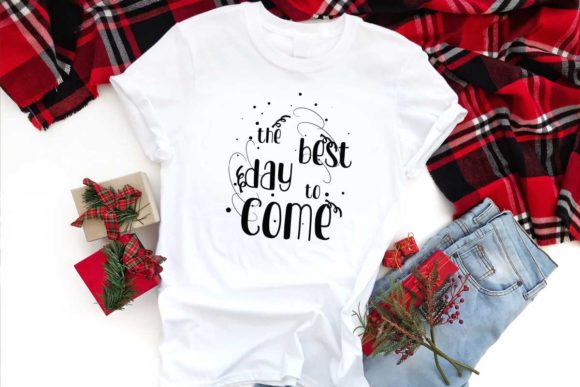
The Best Day to Come
As an embroidery designer and product reviewer, I often find myself evaluating digital files for real-world use. The Best Day to Come is a design that immediately catches the eye with its warm, positive energy. It’s the kind of piece that feels like a personal message, perfect for adding to custom apparel, tote bags, or even as a decorative element on baby items. Its clean lines and thoughtful layout make it adaptable, but not without its limitations.
The First Impression
When I first saw The Best Day to Come, I was struck by its simplicity and the way it balances text with subtle visual elements. The mood is uplifting, making it ideal for projects aimed at creating a sense of hope or celebration. The design doesn’t overwhelm; it invites you to imagine how it might look on a t-shirt, a pillowcase, or even a patch. It’s a strong candidate for handmade products that aim to evoke emotion and connection.
The layout is well-structured, with clear spacing between letters and enough negative space to prevent visual clutter. This makes it versatile for different embroidery techniques, from satin stitch to fill stitch. However, the design isn’t overly detailed, which means it works best on larger formats where the message can be clearly seen.
Real-World Embroidery Use Cases
The Best Day to Come fits naturally into a range of embroidery projects. For example, when I considered using it on a custom tote bag, it felt right—large enough to be readable, yet elegant enough to stand out. It could also work well on sweatshirts, especially for small businesses looking to create a consistent brand image. The design’s clean aesthetic makes it suitable for both casual and more polished settings.
For baby items, the design has a gentle, encouraging vibe that could be paired with soft pastel thread colors. On a onesie or a blanket, it adds a personal touch that parents would appreciate. Similarly, on a holiday gift or a personalized item, The Best Day to Come could serve as a meaningful addition that resonates with the recipient.
It’s also a good fit for embroidered patches. The design’s size and structure allow it to be stitched onto fabric without losing clarity. Whether used as a standalone patch or part of a larger design, it maintains its visual appeal and readability.
Where to Be Careful
While The Best Day to Come is a solid design, there are some situations where it may not perform as well. For instance, if you’re working with small hoop sizes, the design might feel too large to fit comfortably. This could lead to stitching issues or require multiple hooping sessions, which can be time-consuming.
On textured fabrics or thin materials, the design may not sit as smoothly. It’s important to test it on scrap fabric before committing to a final project. Similarly, on stretchy or dark fabrics, the contrast between the thread and the background could be an issue. Choosing the right thread color is essential to ensure the design stands out without clashing.
If you plan to use The Best Day to Come on curved surfaces like caps or on items with intricate details, be mindful of how the design wraps around the shape. Tiny lettering or delicate corners might get distorted during the stitching process. It’s also worth considering the stitch density—if the design is too dense, it could cause the fabric to pucker or the stitches to look uneven.
Impact on Visual Appeal and Customer Perception
The Best Day to Come has the potential to elevate a handmade product or a commercial embroidery project. When stitched correctly, it adds a professional touch that customers will notice. It can enhance the value of a finished product, especially when used in a boutique setting or on Etsy listings.
From a customer perspective, designs that convey positivity or meaning tend to resonate more. The Best Day to Come could be a great choice for personalized gifts, as it carries an emotional weight that many buyers appreciate. It also helps build trust in a handmade product, showing that the creator has put thought into the design and its presentation.
For small business owners and crafters, this design can help maintain brand consistency. If your shop focuses on uplifting or motivational themes, The Best Day to Come could become a staple in your collection. It also supports the idea of giftability, making it a strong option for holiday or special occasion items.
Practical Designer Notes
Before using The Best Day to Come in any project, I recommend testing it on scrap fabric. This will help you see how the design looks in different thread colors and on various fabric types. Pay attention to the stitch density—too much could make the design look busy, while too little might leave gaps or inconsistencies.
Check the hoop size required for the design. If it’s too large for your machine, you may need to adjust or split the design. Also, make sure to use the proper stabilizer, especially on delicate or stretchy fabrics. This will prevent puckering and ensure a smooth finish.
Consider how the design looks in black and white mockups. This can help you determine if it’s versatile enough for different color schemes. Compare it against both light and dark fabric backgrounds to ensure it remains legible and visually appealing in all contexts.
Finally, if you plan to sell finished items or digital products featuring The Best Day to Come, always confirm the licensing terms. Make sure the design is suitable for commercial use and that you have the rights to modify or distribute it as needed.