Build the Wall
As an experienced designer and embroidery product reviewer, I often find myself evaluating digital files with a critical eye—especially when they're meant for real-world use. Build the Wall is one such design that promises versatility but requires careful consideration before it gets stitched onto fabric. Let's break down what this design offers and where it might fall short in practical applications.
The First Impression: A Bold Statement
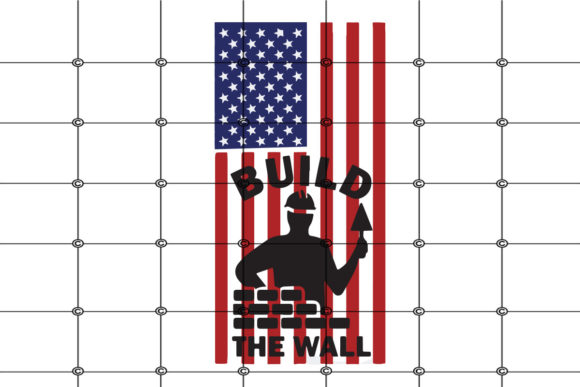
From the moment I opened the Build the Wall file, I was struck by its strong visual presence. The design features a clean, modern layout with a sense of structure and purpose. It’s not just a random pattern—it feels like something that could be part of a larger theme or message. The shape is rectangular, which makes it ideal for items like tote bags, sweatshirts, or pillow covers. The level of detail is moderate, suggesting it would work well with a combination of satin stitch and fill stitch to create depth without overwhelming the fabric.
The theme is straightforward—something that evokes strength, stability, and creativity. This makes it a good fit for custom apparel, especially for those looking to make a statement with their embroidery. Whether it's a personal project or a small business offering, the design has a clear identity that could resonate with a variety of audiences.
Real-World Embroidery Scenarios
When I think about where Build the Wall would shine, it naturally fits into custom apparel projects like tote bags, sweatshirts, and aprons. Its size and structure make it easy to place on a variety of surfaces, and the clean lines ensure it doesn’t get lost in the fabric. For a craft business or Etsy seller, this could be a valuable addition to a collection of printable mockups or digital product previews.
It also has potential for baby items, such as onesies or nursery decor. The simplicity of the design allows it to be both functional and decorative, making it a great choice for personalized gifts. However, I would be cautious about using it on thin or stretchy fabrics, as the design may not hold up well under stress or repeated washing.
For holiday or wedding gifts, Build the Wall could serve as a meaningful embroidered patch or applique design. Its clean look pairs well with both traditional and modern aesthetics, making it adaptable to different occasions. But again, the design’s performance on textured or dark fabrics would need to be tested before finalizing any project.
Where to Be Cautious
While Build the Wall is visually appealing, there are certain situations where it may not perform as expected. Small hoop sizes could be a challenge, as the design’s dimensions might require a larger space to maintain accuracy. If you're working with a limited hoop size, you may need to adjust the design or split it into sections, which can complicate the process.
Textured fabrics, such as canvas or denim, could cause issues with stitching clarity, especially if the design includes fine details. Similarly, thin or stretchy fabrics might not support the density of stitches needed for a clean finish. In these cases, a stabilizer would be essential to prevent puckering or distortion.
Another area to watch is the use of the design on dark fabrics. Without proper thread color contrast, the design might appear washed out or difficult to see. Testing it in black and white mockups before committing to a full project is a smart move. Additionally, if you plan to use it on layered garments or curved surfaces like caps, you’ll want to ensure the design is compatible with those shapes.
Impact on Visual Appeal and Customer Perception
Build the Wall has the potential to elevate the visual appeal of any finished product. Its clean, structured look adds a professional touch that can enhance the overall value of a handmade item or commercial embroidery project. For small shop owners or Etsy sellers, this design could be a reliable asset in creating consistent branding across products.
However, the success of the design ultimately depends on how well it’s executed. Poor stitching, incorrect thread colors, or improper stabilizer use can detract from the final result. As a designer, I always emphasize the importance of testing the design on scrap fabric before using it on a client’s garment or a finished product.
Customer trust is built through consistency and quality. If Build the Wall is used correctly, it can contribute to a positive shopping experience and encourage repeat business. On the flip side, if the design is poorly implemented, it could lead to dissatisfaction and negative reviews.
Practical Designer Notes
Before using Build the Wall in any project, I recommend the following steps:
- Test the design on scrap fabric to assess how it looks and stitches.
- Check thread color contrast against the fabric to ensure visibility.
- Review stitch density to avoid issues with fabric distortion or excessive wear.
- Confirm hoop size requirements to ensure compatibility with your machine.
- Inspect small details for clarity and precision.
- Test in black and white mockups to evaluate visibility on different backgrounds.
- Compare light and dark fabric options to determine the best application.
- Use proper stabilizer for delicate or stretchy fabrics.
- Verify licensing if you plan to sell finished items or digital products.
These steps are crucial for maintaining the quality and professionalism of your work, whether you're creating a handmade product or selling digital design assets.
Final Thoughts: Is Build the Wall Worth It?
Build the Wall is a versatile design that can work well in a range of embroidery projects, from custom apparel to personalized gifts. Its clean layout and structured appearance make it a strong candidate for small business merchandise, craft fair products, and boutique branding. However, its success depends on how it’s applied and the materials used.
For designers and makers who prioritize quality and practicality, this design offers a solid foundation. But it’s important to approach it with care, especially when working with challenging fabrics or complex projects. With the right preparation and execution, Build the Wall can become a valuable addition to your embroidery toolkit.